.png)
The Next Stage of Business Sustainability: A Guide to ISSB and UK Sustainability Reporting for SMEs
Sustainability is no longer just a "buzzword" that can be used for marketing purposes:
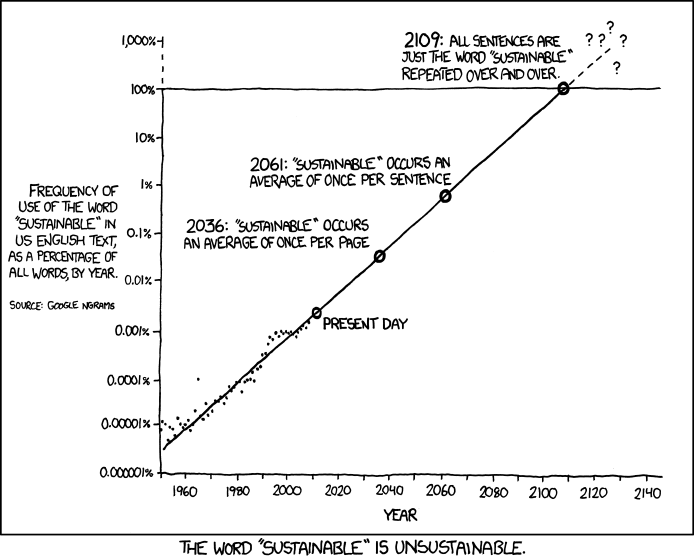
It is now is starting to be a core part of how businesses are perceived and how they report their financial performance to the world. For small and medium-sized enterprises in the UK, a brand new acronym in the sustainability alphabet soup is about to become very important: ISSB.
On this article, we have outlined everything SMEs need to know about the UK’s transition to these new standards.
What is ISSB?
The International Sustainability Standards Board (known as ISSB)was developed to solve a huge problem in the industry that at Climate Essentials we call the "sustainability alphabet soup." For many years, businesses from different sizes and sectors have been overwhelmed by dozens of different frameworks to report their environmental and sustainability impact, such as TCFD, SASB, GRI and many more. In response to this, the ISSB recently created a single, global "baseline" (or standard) for sustainability reporting. This is so everyone can communicate sustainability using the same language and be compared using the same ruler.
In February 2026, after many months of waiting, the UK government has now officially endorsed these standards (with some minor changes), creating the UK Sustainability Reporting Standards (called UK SRS). These standards have two main components: UK SRS S1, which covers general requirements for disclosing sustainability-related financial information, and UK SRS S2, which main focus is climate-related disclosures like your carbon footprint.
Who is it for?
We expect that these new standards will first target large, listed companies and "economically significant" entities.
However, SMEs are always heavily impacted through supply chains. Even if your business is not legally required to report to the government just yet, your larger customers who do have to report will soon be asking you for your carbon data. This is because your large customers may soon be required to report on their "Scope 3" emissions, which includes the carbon footprint of their entire supply chain, meaning your business.
Why did the UK decide to implement ISSB?
The UK government wants to maintain its status as a global leader in sustainable finance. So, adopting this global standard means that the UK can ensure that investors can compare a UK business against a Japanese or Canadian one, using the same "ruler." This consistency makes the UK a safer and more transparent place for investment.
From a business perspective, it simplifies the lives of business owners by replacing older, scattered reporting frameworks with a unique system that is recognised across the globe.
When is the rollout?
The timeline is moving quickly. As of February 2026, the final UK standards have been published for voluntary use, meaning any business can start using them now to show they are ahead of the curve. The Financial Conduct Authority (FCA) is currently finalising plans for mandatory reporting to begin for large listed companies for accounting periods starting on or after January 1, 2027. Following this, the government is expected to consult on expanding these requirements to larger private companies. For SMEs, this voluntary phase is the best time to start building your data systems before your customers start making it a requirement for doing business.
Does the UK SRS replace the Greenhouse Gas Protocol?
A frequently asked question for many businesses is whether these new standards will replace the existing Greenhouse Gas Protocol. In short, they do not.
Instead, they work together. You can think of the GHG Protocol as the "accounting rules" for how to measure your carbon(the "what" and "how").
The UK SRS is the "reporting framework" that tells you how to present that information to the public and investors (the "where" and "to whom"). It’s important to note that actually, the ISSB standards explicitly require organisations to use the GHG Protocol to calculate their emissions. This means that if you are already measuring your footprint using Climate Essentials, you are already one step ahead in meeting the new UK requirements, as we follow the GHG Protocol standard.
Why should an SME care?
You might think your business is too small for this to be relevant to you, but ignoring ISSB may have some real commercial risks in the future. Banks are increasingly looking at carbon data before approving loans, large corporations now include "carbon criteria" in their procurement tenders, investors are already asking for this information.
If you can't provide this data, you might find yourself out of major contracts. On the other side, being ready for these requests is a competitive advantage. It proves you are a lower-risk, forward-thinking business partner.
How Climate Essentials Can Help
Navigating carbon accounting can feel like learning a second language, but Climate Essentials is designed to help you with this.
Our suite of software solutions and specialised support offer carbon accounting and carbon supply chain management that can help you meet these requirements. We support with measuring and tracking your emissions with precision, but we don't stop at just numbers. The platform helps you create a realistic reduction pathway in line with Net Zero commitments, ensuring your business isn't just reporting on the problem, but actively becoming part of the solution.










.jpg)