.png)
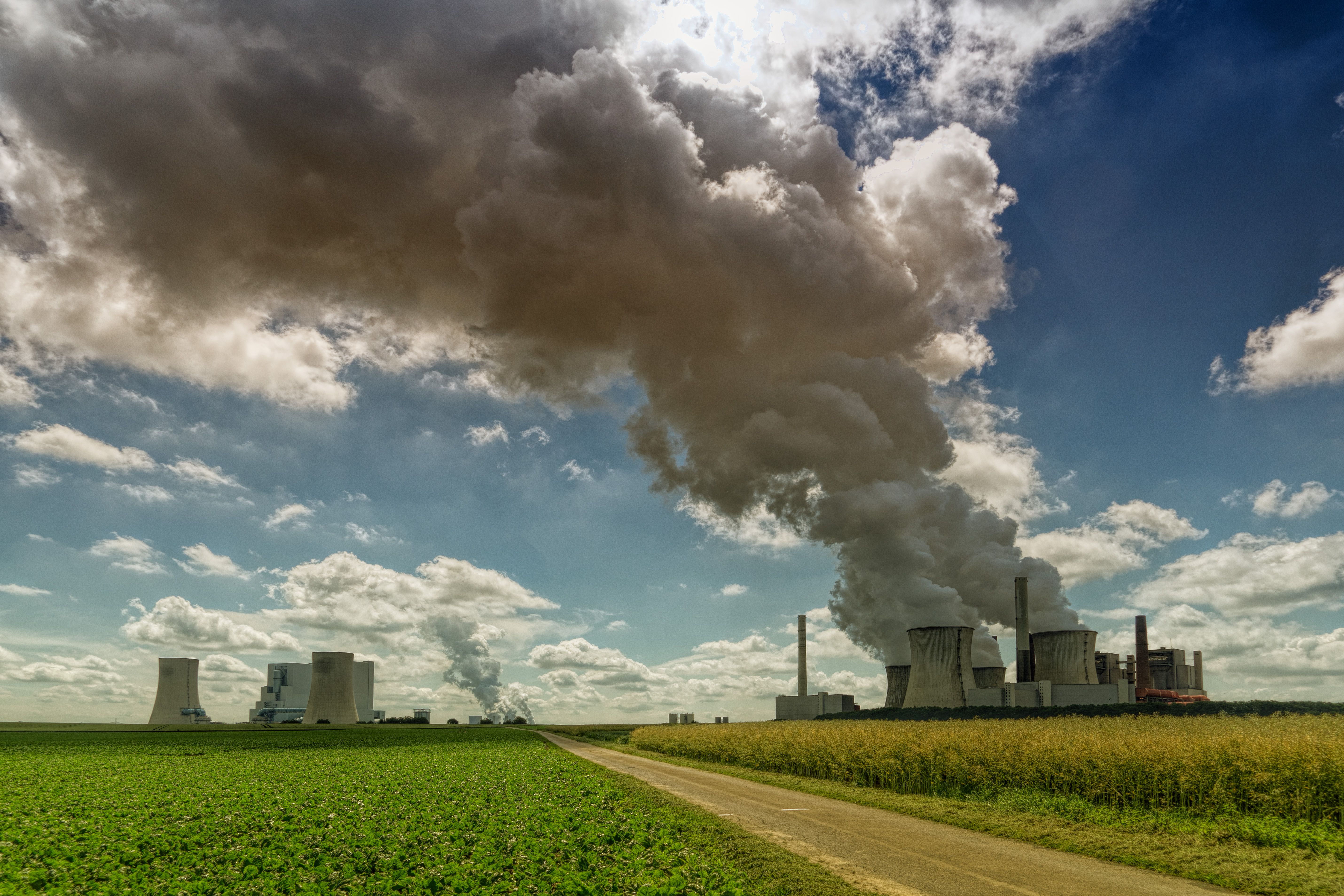
Climate change is one of the most pressing challenges of our time. Rising global temperatures, increasingly severe weather events, and mounting pressure on natural resources have placed sustainability at the heart of how businesses, governments, and communities operate. Organisations of every size are now expected to take their environmental responsibilities seriously and to showcase their actions.
At the centre of that response sits carbon accounting. Much as financial accounting tracks the flow of money through an organisation, carbon accounting records the greenhouse gas emissions produced by its activities. It offers a structured, transparent way of understanding where emissions come from and where the most meaningful reductions can be achieved.
Done well, carbon accounting supports honest environmental reporting, helps organisations meet regulatory obligations, and builds trust with stakeholders. It also sharpens decision-making, identifying inefficiencies, reducing operational costs, and laying the groundwork for long-term resilience
International commitments have given carbon accounting added urgency. The Paris Agreement, adopted in 2015, established a worldwide commitment to limit rising global temperatures and reduce greenhouse gas emissions. As governments and industries work towards their national climate targets, organisations are increasingly expected to measure, report, and reduce their own emissions in a manner consistent with these broader objectives.
A carbon footprint refers to the total volume of greenhouse gases generated directly and indirectly by an individual, organisation, product, or activity. These emissions are typically expressed in tonnes of carbon dioxide equivalent (tCO₂e), a standard unit that allows different gases to be measured and compared according to their warming effect.
For businesses, a carbon footprint can encompass a wide range of sources, including:
Understanding the scale and sources of an organisation's carbon footprint is the natural starting point for reducing its environmental impact. It also establishes a baseline against which future progress can be measured, a reference point that becomes increasingly valuable as sustainability commitments develop over time.
Measuring greenhouse gas emissions consistently and credibly requires an internationally recognised framework. The most widely adopted is the Greenhouse Gas Protocol (GHG Protocol), which provides organisations with a common methodology for calculating and reporting emissions.
The GHG Protocol divides emissions into three categories known as Scope 1, Scope 2, and Scope 3, each reflecting a different relationship between the organisation and the emissions it generates.
For many organisations, Scope 3 emissions account for the largest share of their overall carbon footprint. Engaging with suppliers and improving data collection in this area are therefore increasingly important priorities.
For organisations approaching carbon reporting for the first time, the process may initially appear daunting. In practice, however, it becomes considerably more manageable when broken down into clear, deliberate steps and the quality of reporting typically strengthens with each successive cycle.
The first task is to define the reporting boundary, establishing which operations, sites, and activities will fall within the scope of the report. Without this foundation, comparisons over time become unreliable and the overall exercise loses much of its value.
From there, the focus shifts to gathering accurate activity data: figures such as electricity and gas consumption, fuel purchases, travel records, waste disposal volumes, and water usage. The reliability of any emissions calculation depends entirely on the quality of the data that underpins it.
Rather than attempting to measure everything at once, most organisations find it more practical to begin with the areas of greatest impact, typically energy consumption, transport, and procurement, before broadening their scope over time. Throughout this process, clear documentation of methodologies, assumptions, and calculations is essential. It supports internal review, facilitates future reporting, and provides the evidence base needed for external verification.
Ultimately, the first carbon report is not simply a compliance exercise. It is the starting point for a longer and more meaningful journey, one in which each year's figures build upon the last, reduction targets become more ambitious, and the organisation's understanding of its own environmental impact deepens considerably.
Carbon accounting gives organisations a practical and credible framework for understanding and managing their environmental impact. By measuring emissions accurately, they are better placed to identify opportunities for improvement, develop robust sustainability strategies, and play a genuine role in the collective response to climate change.
As environmental expectations continue to rise across governments, industries, and communities, the question is no longer whether organisations should measure and report their emissions, but how well they are doing so. Establishing clear reporting practices now supports better decision-making, greater transparency, and the kind of long-term resilience that a changing world increasingly demands.
Having control of your organisation's carbon emissions does not have to be difficult. Climate Essentials is here to help you with this, as we offer an easy and comprehensive carbon accounting platform. The platform is built with features which will help you to measure, report, track and reduce your organisation’s carbon footprint.
What’s included when you sign up to our platform:
The fully managed service from Climate Essentials is designed to reduce your team's workload by handling the emissions measurement and reporting process on your behalf.
What’s included:
This service helps organisations collect emissions data consistently and align reporting with recognised carbon accounting standards.











.jpg)