.png)
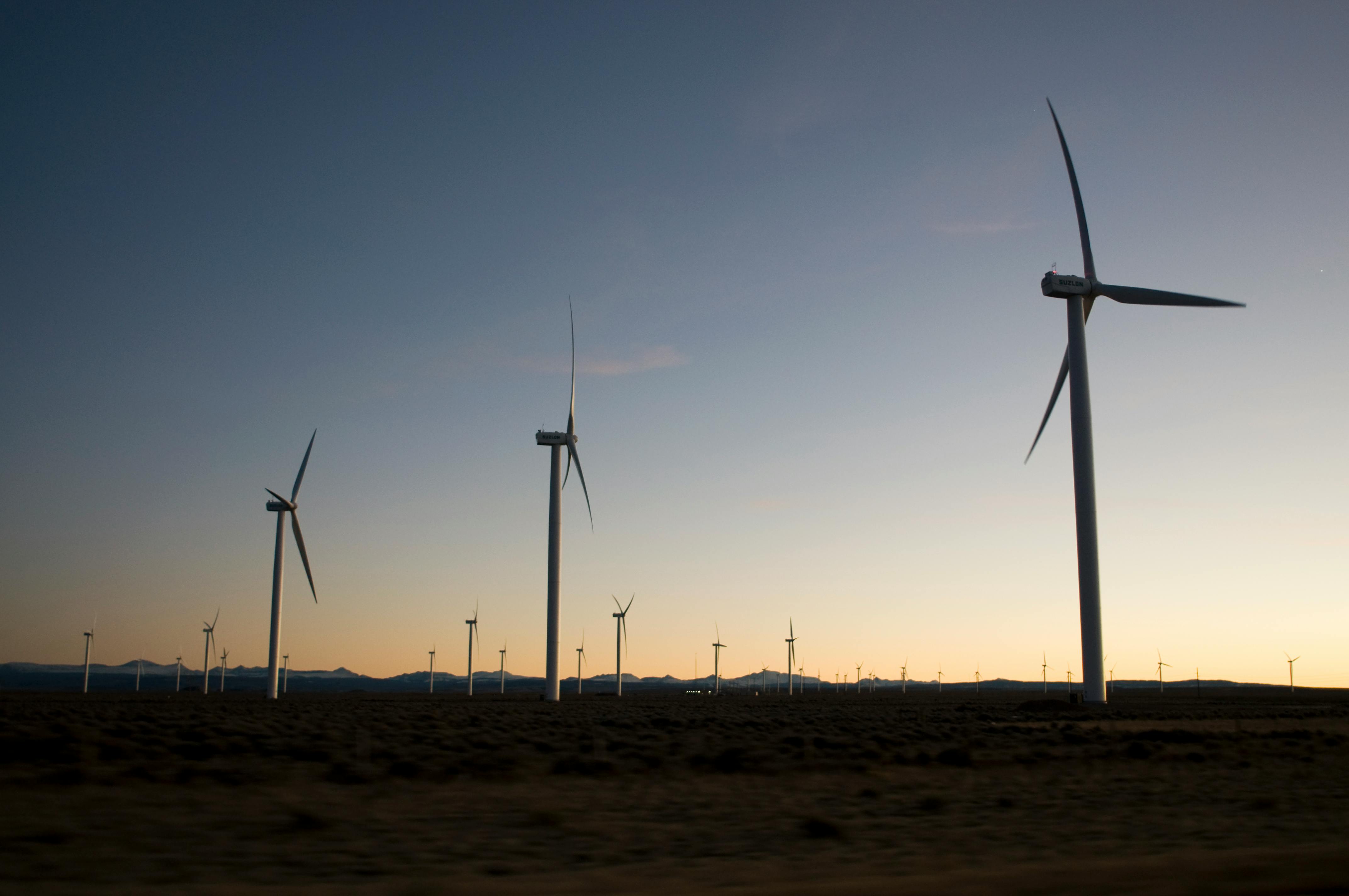
Latin America’s renewable energy journey usually focuses on its convenient geography: radiant sunlight, constant and steady winds, and lots of hydropower. However, one of the major takeaways from the last five years highlights important lessons for many other countries, including the UK: the Latin American countries making the fastest progress with renewables are the ones that are coupling clean energy with the “boring but necessary” drivers: grid, storage, and stable policy.
This article explores why Chile and Uruguay are very useful case studies for the UK. Chile shows what happens when renewables scale quickly. Uruguay highlights what you need to focus on when you have already reached a near-fully renewable power system.
Renewables and Storage
Across several countries in Latin America, renewables are seen as the default option for new power generation, and with that, energy storage is rising as the big next (or should we say parallel) step. The outlook from OLADE projects that the region’s energy storage could rise to 46 GW by 2035. This would require huge investments to make the power systems flexible and secure. Among the region’s markets, Chile is now demonstrating how storage can support the next phase of renewable integration.
This is a critical step to net zero for a non-technical reason: storage is what can transform ‘cheap renewable electricity at the wrong time’ to ‘useful electricity when people and businesses need it the most’. The UK is facing a similar challenge: much of its renewable generation is in Scotland, while demand is located in the South of England. This is already stretching an ageing grid and driving constraints, curtailment and higher system costs, making these Chilean lessons highly relevant for Britain.
What Chile has achieved
Chile has scaled the deployment of wind and solar very fast, to the point where renewables have become one of the backbones of its power mix. In DNV’s regional outlook, Chile is highlighted as having exceeded 40% solar and wind generation in 2024, and it notes that storage is becoming “standard” alongside new renewables in Chile’s grid. This translates into more clean power, less exposure to imported fossil fuels and increasingly competitive renewables economics.
The challenge Chile is now facing: “success congestion”
Chile’s biggest growing pain point is simple: renewable energy grew faster than the network that moves electricity around the country. When the grid can’t transport power from where it’s generated to where it’s used, electricity gets stuck, and clean power is curtailed (in other words, wasted). J.P. Morgan’s report on Latin America’s energy infrastructure explains that Chile curtailed 6 TWh of renewables in 2024, showcasing how grid constraints can hinder even a renewable energy leader. The UK is increasingly facing a comparable challenge (renewable generation in Scotland vs. demand in the South of England). Since the transmission network was not designed for this pattern of generation, parts of the grid become congested and renewable electricity is wasted.
Chile’s lesson maps very well onto the UK’s current situation. You can’t deliver “cheaper clean power” to end-users without a good grid capacity and flexibility. If we do not update the grid, we get higher system costs (energy constraints and curtailment) even while we are adding cheap renewables to the grid.
Uruguay: near-fully renewable. Now the hard part is “everything else”
Uruguay is often used as a leading example because its electricity is already mainly renewable. The major insight from the last five years is what happens after you get there: you stop talking mainly about building new renewable energy projects, and start talking about decarbonising the other hard parts: transport, fuels, and industry.
DNV’s regional outlook report is quite blunt about the challenge in the region: Latin America has high renewables participation in power (over 60% of generation), but fossil fuels still dominate much of the wider energy system, especially fossil fuels in transport.
So Uruguay’s “next chapter” is kind of the same as the UK’s; they need to electrify more end uses where possible, use clean electricity to produce low-carbon fuels for the harder sectors, and keep reliability high in a renewables-heavy grid.
IRENA’s report also mentions that the transition to near-100% renewables requires flexibility, storage and grid infrastructure, tariff sensitivity, coupled with long-term policy design.
Three regional lessons learned for the UK
1) Storage isn’t optional anymore: it’s a must. Storage is framed as the enabling technology for high penetration of renewables. The UK takeaway is therefore to treat storage and flexibility as part of the core infrastructure, not just an add-on. Planning, market signals, and funding are just as important as new renewable energy projects.
2) The grid is one of the deciding factors whether renewables become “real savings”. Chile’s curtailment example makes the point very clear for the UK: if you can’t move the power, you can’t capture the benefit. The UK’s constraints challenge is not unique, but it is solvable if grid delivery is treated as a national delivery priority
3) Net zero is not a power-sector target, it’s an economy target: DNV’s outlook says Latin America’s CO₂ emissions peaked in 2023 but also highlights that the region is still far from net-zero pathways because fossil fuels remain central, especially in transport. Cleaning the grid is, of course, a critical step, but the important wins come from what the clean grid can catalyse: electrified heat, EVs, industrial electrification, and clean fuels for the rest.
https://strategicenergy.eu/olacde-forecasts-over-20-gw-energy-storage-boom-in-latin-america/
https://www.dnv.com/energy-transition-outlook/2025/latin-america/
https://www.dnv.com/energy-transition-outlook/2025/latin-america/


.jpg)
.jpg)
.jpg)




.jpg)